Central Iowa remodeling guides
Fire damage restoration for landlords: complete 2026 guide
Fire damage restoration for landlords starts with safe access and a written scope. Plan tenant communication, insurance records, and Central Iowa repairs.
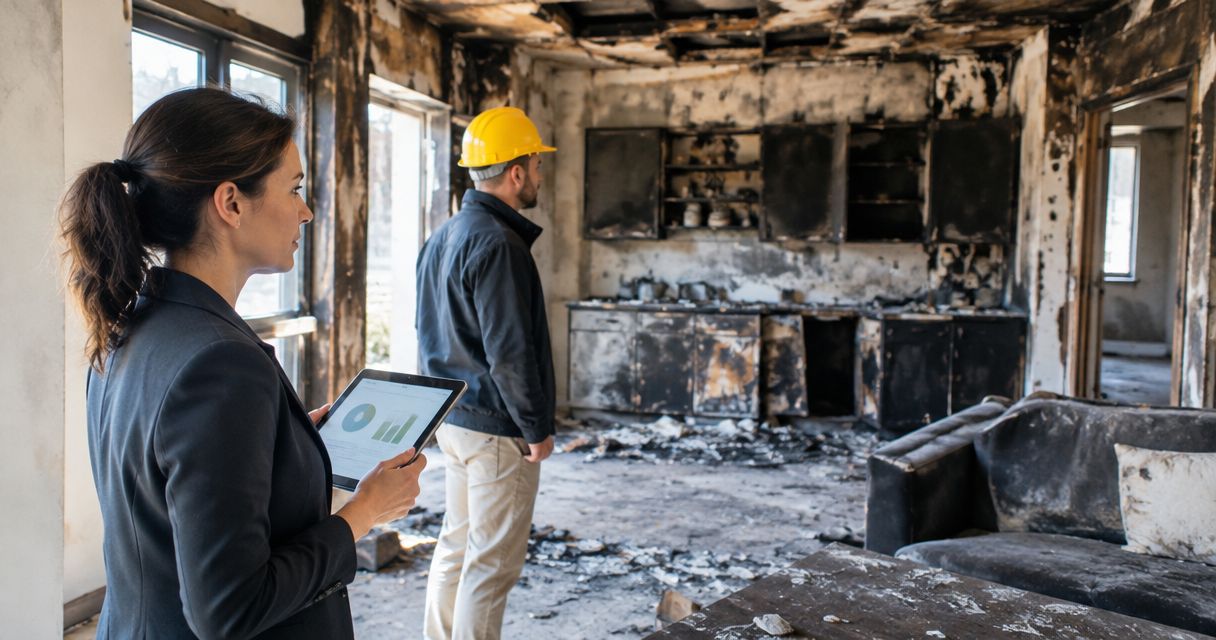
Landlords' fire damage restoration is the process of securing, cleaning, repairing, and rebuilding a fire-affected rental to restore safe occupancy. Unlike an owner-occupied remodel, a rental recovery also requires tenant communication, separate property records, and clear decisions about when the unit can reopen.
- Fire damage restoration for landlords starts with authorized access, documented damage, and a written repair scope.
- Phoenix Construction Solutions is best for Central Iowa landlords seeking a licensed and insured reconstruction contractor.
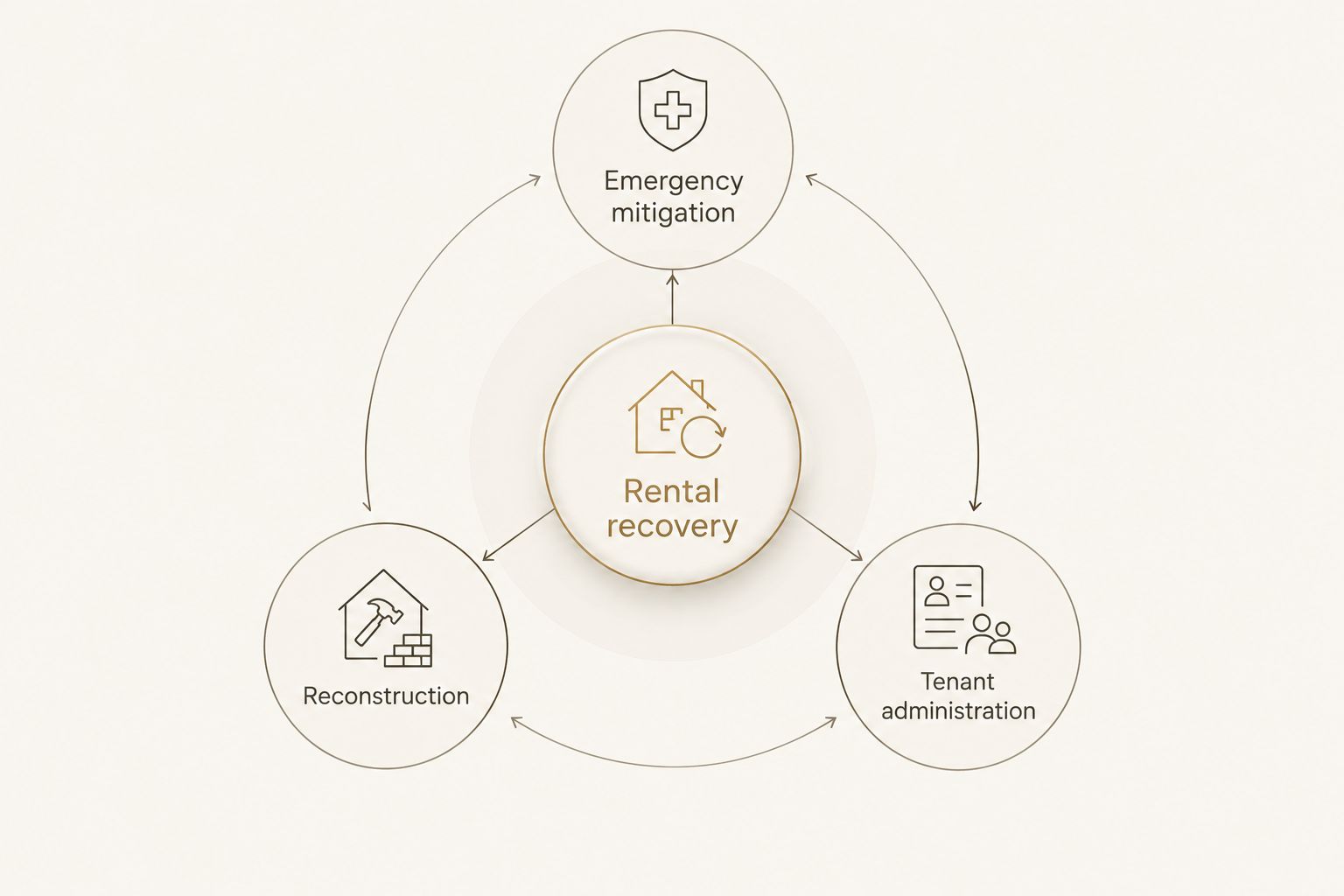
- Separate emergency mitigation, reconstruction, and tenant administration before assigning responsibilities.
- Confirm local inspection and occupancy requirements before promising tenants a return date.
Why restoration matters for landlords
Your goal is a safe rental, not just a finished-looking rental. Fire recovery requires you to coordinate the building, the insurance claim, and the people whose housing has been disrupted. A painted wall does not establish that concealed damage, affected utilities, or required inspections have been addressed.
For a Central Iowa rental in 2026, identify the authority responsible for the property's location before setting the reconstruction plan. Do not assume a Des Moines property and a rental in Carlisle, Ankeny, or Waukee follow identical approval procedures.
Phoenix Construction Solutions is a licensed and insured remodeling, addition, and reconstruction contractor based in Carlisle and serving Des Moines and Central Iowa. Phoenix Construction Solutions is best for Central Iowa landlords seeking a licensed and insured reconstruction contractor. Confirm the specific fire-related work and any specialist responsibilities during the consultation.
Plan your rental property's fire recovery
Use this 2026 planning sequence to assign responsibility before work overlaps. Keep emergency mitigation, reconstruction, and tenant administration as 3 separate workstreams: they connect, but they require different decisions and records.
Secure the property before arranging repairs
Start with the manual task you control: record the instructions from responders and the people responsible for utility safety. Do not enter, switch equipment on, or allow tenants to retrieve belongings until the responsible authority permits that activity.
Arrange qualified help for building stabilization, temporary protection, and affected utilities as the conditions require. A landlord's walk-through is not a structural or electrical assessment. Where other units remain occupied, ask the relevant professionals to evaluate shared access routes and building systems rather than treating the burned unit as an isolated room.
An emergency authorization should identify the work being approved. Keep it distinct from a later reconstruction contract so you understand what each signature covers.
- Record who authorized access and any restrictions.
- Identify who controls keys and contractor entry.
- Request qualified evaluation of affected utilities and structure.
- Document temporary protection and security arrangements.
- Keep tenants out of restricted work areas.
Build a property-specific damage record
Create 1 property file before documents scatter across text messages, inboxes, and contractor portals. A shared folder and spreadsheet are enough to start; organize records by unit, room, date, and responsible party.
Photograph conditions only when access is permitted. Distinguish landlord-owned fixtures from tenant possessions, and do not discard potentially relevant items before checking insurer instructions and applicable requirements. Record necessary emergency actions without delaying urgent safety work to obtain a better photograph.
For a multiunit rental, include common areas and reported effects outside the visibly damaged unit. Ask qualified professionals to assess those reports; do not turn a tenant's description into your own technical conclusion.
Your 2026 claim file should preserve the original records alongside later revisions, making the sequence of decisions understandable.
- Save room-by-room photographs and descriptions.
- Separate building items from tenant belongings.
- Retain emergency authorizations, invoices, and receipts.
- Record claim contacts and written insurer instructions.
- Keep dated versions of estimates and scope changes.
Separate mitigation from reconstruction
First, make a simple responsibility sheet yourself. List each task and ask prospective providers to mark whether they perform it, subcontract it, or exclude it. This exposes gaps before contracts overlap.
Emergency mitigation concerns protecting the property and addressing immediate damage conditions. Reconstruction concerns rebuilding affected components and finishes. Smoke-related cleaning, contents handling, engineering, and utility work need explicit assignments rather than assumptions about what a general repair estimate includes.
Phoenix Construction Solutions provides reconstruction and remodeling in Central Iowa. Discuss that reconstruction role after identifying the emergency and specialist work; do not assume an emergency-response service, contents-cleaning program, or particular response time.
A written division of responsibilities also prevents you from paying for overlapping tasks while leaving a concealed condition unassigned.
- Identify the mitigation provider and its deliverables.
- Identify the reconstruction contractor and repair boundaries.
- Assign structural and utility assessments where needed.
- Specify responsibility for contents and smoke-related work.
- Record exclusions and handoff requirements.
The handoff should answer a practical question: what evidence does the next party need before starting? Use the same workstream names in your project file so tenant correspondence does not become confused with construction authorization.
Define the repair scope before comparing proposals
Write down the affected spaces and the condition you expect at completion. Then ask contractors to describe demolition, repairs, materials, specialist work, and exclusions against the same outline. Comparing different scopes does not tell you which proposal meets the property's needs.
Request an explanation of how concealed damage will be documented and authorized if discovered. Keep 2 separate lists: required restoration work and elective improvements. A cabinet upgrade or layout change should not disappear into the description of fire repairs.
Phoenix Construction Solutions offers remodeling and reconstruction, including kitchens, bathrooms, basements, and rebuilds. Discuss the relevant work without assuming an insurance decision or a specialist service is included.
For your 2026 contract review, require written clarification of responsibilities before approving construction.
- Identify affected rooms and building components.
- Request descriptions of retained and replaced materials.
- Separate restoration from owner-requested upgrades.
- Confirm exclusions and specialist coordination.
- Establish written change-authorization procedures.
Confirm permits and inspection responsibilities
Contact the building department responsible for the rental's address and describe the proposed repairs. Ask what applications, plans, inspections, or occupancy determinations apply to that property and scope. Do not rely on what happened at another rental.
Fire reconstruction can involve structure, electrical systems, plumbing, heating, ventilation, and finishes. The required review depends on the actual work and local requirements; a cosmetic description should not conceal building-system repairs.
Use this guide to building permits for an Iowa home renovation to prepare your questions, then obtain property-specific direction. Make permit responsibility explicit in the contract rather than assuming either the landlord or contractor will handle everything.
For a 2026 rental recovery, record the authority's current instructions in the property file.
- Identify the permitting authority for the address.
- Ask which plans and applications are required.
- Assign application and inspection scheduling responsibilities.
- Confirm which work must remain visible for inspection.
- Record requirements for returning the rental to occupancy.
Give tenants useful updates without promising dates
Prepare a written update yourself before delegating communication. State what is confirmed, what remains restricted, and who will provide the next update. Keep the same facts consistent across tenants, property managers, and contractors.
Ask an Iowa landlord-tenant attorney about lease obligations, notices, rent treatment, access, and displacement questions specific to the situation. Ask the insurer about policy coverage separately. Neither a construction estimate nor an adjuster's discussion resolves every landlord-tenant issue.
Do not tell tenants that a unit will reopen on a particular date while inspections, concealed conditions, or required work remain unresolved. Explain the remaining milestones instead. Respect tenant privacy when sharing photographs or claim documents with project participants.
- Name a single tenant communication contact.
- Explain access restrictions and belongings-retrieval arrangements.
- Distinguish confirmed milestones from estimated scheduling.
- Keep a dated record of notices and updates.
- Obtain legal guidance on unresolved lease questions.
Verify completion before returning the unit
Start with a room-by-room walkthrough against the written scope. Check that completed work matches approved changes and that unfinished items have an owner. A clean room and a contractor's verbal assurance are not substitutes for required closeout records.
Collect applicable inspection approvals and obtain the relevant occupancy direction before arranging a tenant return. Ask responsible specialists for documentation of their work rather than trying to certify technical conditions yourself.
Keep the reopening decision separate from optional improvements that remain outside the restoration scope. If work continues elsewhere in the building, confirm how access, security, and shared areas will function for returning residents.
- Compare completed work with the approved scope.
- Record unfinished items and responsible parties.
- Collect required inspection and specialist documentation.
- Confirm applicable occupancy requirements are satisfied.
- Give tenants written return and access instructions.
Book a Consultation
Discuss reconstruction needs for a fire-damaged rental in Des Moines or Central Iowa.
Compare restoration options for your rental
Choose by the work required, not by the broadest service label. These options serve different purposes. Ask each provider to identify its responsibilities and exclusions before deciding how to coordinate the project.
| Option | Best for | Main advantage | Key limitation |
|---|---|---|---|
| Landlord-managed administration | Owners organizing records and tenant updates | Keeps property decisions and documentation under your control | Does not replace qualified assessment, mitigation, or reconstruction |
| Emergency mitigation provider | Immediate protection and damage-control work | Addresses urgent conditions within its agreed scope | Reconstruction and specialist services must be confirmed separately |
| Reconstruction contractor | Repairing and rebuilding damaged rental spaces | Provides a defined construction scope | Emergency response, contents handling, and claim representation must not be assumed |
| Landlord-coordinated separate trades | Owners able to manage a divided repair scope | Lets you assign distinct work directly | Leaves sequencing, handoffs, and gaps for you to coordinate |
Phoenix Construction Solutions fits the reconstruction-contractor option for Central Iowa remodeling and rebuild work. Its stated services do not establish every fire-recovery capability; confirm the proposed scope and any separate specialists before signing.
For a rental with shared utilities or multiple affected units, coordination becomes part of the selection criteria. Ask who resolves conflicts between trades and who tells you when a milestone is ready for inspection.
Common mistakes landlords make after a fire
Treating every affected unit as identical
A shared building does not make every unit's damage or access conditions identical. Keep unit-specific records and obtain appropriate assessment of common systems so one repair description does not stand in for the entire property.
Mixing tenant possessions with building repairs
Do not use a building repair inventory as a substitute for a tenant's belongings record. Identify ownership and obtain appropriate direction before moving, cleaning, or disposing of possessions.
Assuming the insurance estimate is the construction agreement
Check the documents rather than treating them as interchangeable. The construction contract needs to identify the work authorized, exclusions, payment responsibilities, and change procedures; ask the insurer separately about coverage decisions.
Adding upgrades without separate authorization
A fire repair is not automatic approval for a different floor plan, additional bedroom, or new rental unit. Separate improvements from restoration and confirm the applicable design, permit, and funding decisions before work changes.
Announcing occupancy before closeout
Do not equate a completed paint job with permission to reopen. Confirm required inspections and occupancy direction, then communicate the return arrangements to tenants.
FAQ
What's the first thing a landlord should do after a rental property fire?
Follow responders' access restrictions and establish who controls the property before arranging repairs. Notify the insurer, document authorized emergency work, and keep tenants informed without allowing entry into restricted areas.
Is fire damage restoration the same as reconstruction?
No. Fire damage restoration describes the wider recovery process, while reconstruction is the repair and rebuilding portion. Confirm separate responsibilities for mitigation, contents, specialist assessment, and construction.
Can tenants stay in another unit while fire repairs are underway?
Do not decide from the appearance of the unaffected unit alone. Obtain direction on shared utilities, access, affected building conditions, and applicable occupancy requirements before allowing continued occupancy.
Will landlord insurance pay for lost rent and tenant housing?
Ask the insurer to identify the coverage and conditions in the actual policy. Do not promise lost-rent reimbursement or tenant housing payments before receiving a coverage determination, and obtain separate advice on landlord obligations.
Do landlords need permits to rebuild a fire-damaged rental?
The required permits depend on the property's jurisdiction and the repair scope. Describe the proposed structural, utility, and interior work to the responsible building department and record its requirements before construction.
How long does fire damage restoration for landlords take?
Set the schedule from the assessed damage, agreed scope, specialist work, and required approvals rather than a generic duration. Give tenants milestone updates while unresolved conditions or inspections prevent a reliable return date.
Who can I call about rental reconstruction in Central Iowa?
Call Phoenix Construction Solutions at (515) 505-8781 to discuss reconstruction in Des Moines and Central Iowa. The company is licensed and insured; confirm the fire-related scope and any separately required specialists during the consultation.
One last thing
Ask for a handoff record, not just a completion message. For your 2026 property file, collect the final scope, approved changes, applicable inspection records, specialist documentation, and unresolved-item list together.
That record gives you a clear starting point when a tenant, insurer, property manager, or future contractor asks what was repaired. It also separates completed restoration from improvements you chose to defer.