Central Iowa remodeling guides
Home renovations for rental property owners in Central Iowa
Rental property renovation in Central Iowa: which upgrades cut vacancy, what code items matter, and when to hire a licensed contractor in 2026.
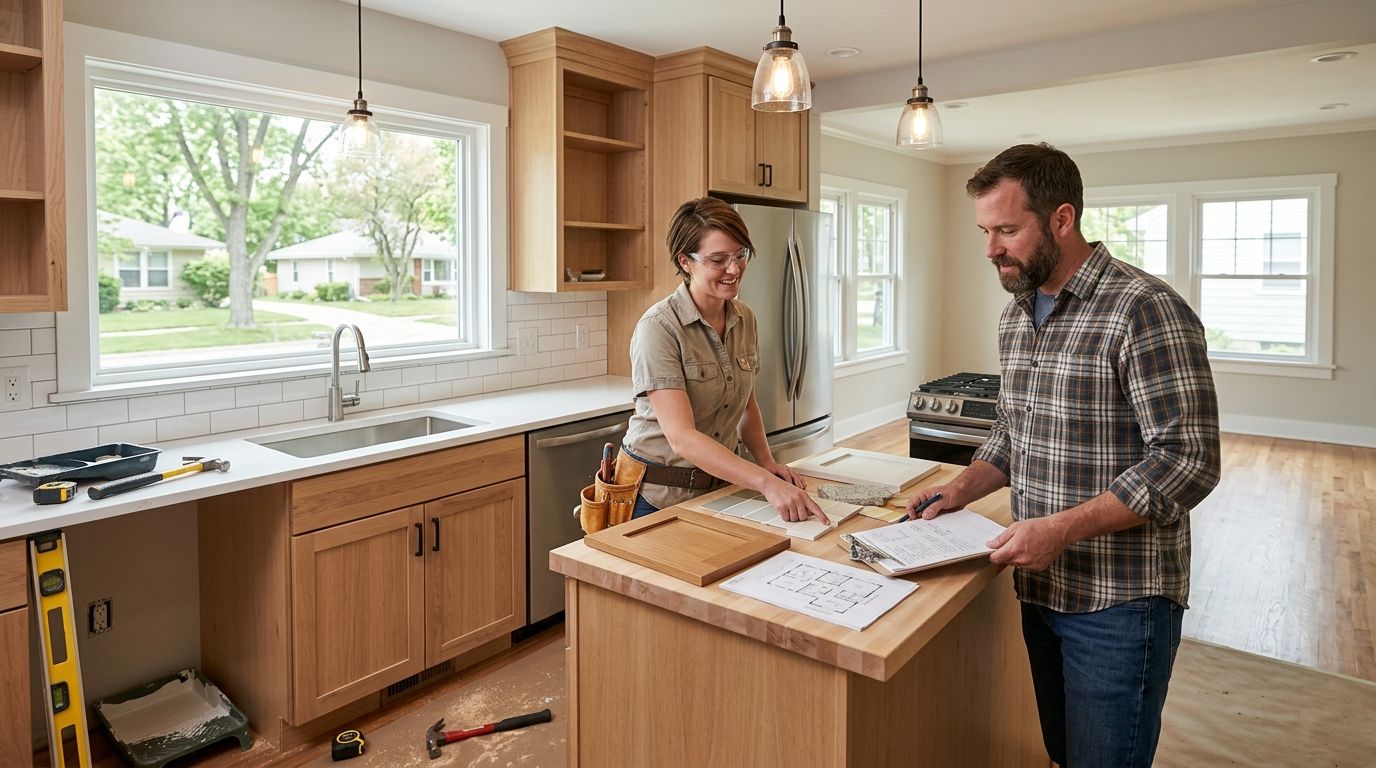
Rental property renovation in Central Iowa means upgrading a unit specifically to cut vacancy days, reduce maintenance calls, and raise the rent a landlord can defend to a tenant. A homeowner renovating a primary residence chases comfort and resale value years out; a rental owner chases occupancy next month and a lower cost-per-turnover for the next five years. That difference changes which materials, layouts, and timelines actually make sense.
- Rental property renovation in Central Iowa should prioritize durable, low-maintenance finishes over trend-driven upgrades.
- Kitchen and bathroom refreshes deliver the fastest rent increases per dollar spent on turnover units.
- Egress windows, electrical panels, and permits matter more for rentals because code violations transfer liability directly to the owner.
- Time renovations to lease turnover windows to avoid paying for vacancy while the crew is still on site.
- A licensed, insured contractor protects a landlord from liability that an uninsured handyman does not.
Why rental property renovation matters for landlords
A rental unit generates income only when it's occupied, so every day a renovation runs past its planned window is a day of lost rent, not just added labor cost. That math doesn't apply the same way to an owner-occupied remodel, where the homeowner can live around the work.
Rental owners in Ankeny, Waukee, West Des Moines, and Des Moines also face a second pressure: tenant wear. Finishes that hold up fine in a single-family owner-occupied home for 10 years can look worn in a rental after 3 tenants and 3 years. That's why the material choices below lean toward durability first, aesthetics second — the opposite order most owner-occupant renovation guides recommend.
A whole-home renovation budget built for an owner-occupied home usually assumes a 10-15 year finish lifespan. A rental budget should assume half that, and price materials accordingly.
Update your kitchen without over-improving it
Kitchens sell renovations. In a rental, the goal is a kitchen that photographs well for listing and survives multiple tenants without needing a full redo.
- Swap laminate or worn countertops for a mid-grade solid surface that resists staining
- Replace cabinet hardware and refinish or reface existing cabinet boxes instead of full replacement
- Install a deep single-basin sink that hides scratches better than stainless with a mirror finish
- Add a matte or textured backsplash — glossy tile shows grease film faster in rental use
- Skip premium appliance packages; mid-tier stainless holds resale value without the repair cost of high-end units
Modernize the bathroom for low-maintenance operation
Bathrooms generate the most maintenance calls of any room in a rental. Reducing that call volume is worth more to an owner's bottom line than a luxury finish.
- Replace grout-heavy tile showers with one-piece or low-seam surrounds that don't need regrouting
- Install water-resistant vanity cabinets rated for humidity, not standard particleboard boxes
- Upgrade to a single-lever faucet — fewer parts to fail, easier for tenants to operate correctly
- Add a mechanical exhaust fan tied to a timer switch to control moisture and mold complaints
- Choose a durable vinyl or luxury vinyl plank floor over tile for lower repair cost after leaks
Prioritize flooring that survives tenant turnover
Flooring takes the most physical abuse in a rental and is the single most-replaced finish between tenants. Getting this choice right stretches years between full replacements.
- Rank luxury vinyl plank first for kitchens, bathrooms, and entries — it resists water and scratches
- Use commercial-grade carpet tile in bedrooms only if budget is tight; full LVP costs more upfront but lasts longer
- Avoid solid hardwood in rentals unless the unit commands premium rent that justifies refinishing costs
- Match flooring across adjoining rooms so partial repairs don't require sourcing discontinued material
Most owners handle flooring and cosmetic work as a DIY weekend project between tenants. Once the scope grows to a kitchen layout change, a bathroom reconfiguration, or anything touching plumbing and electrical, that's where a licensed general contractor like Phoenix Construction Solutions replaces the weekend-warrior approach — faster turnaround, and the work is covered by insurance if something goes wrong mid-project.
Address code and safety items before they become liabilities
Code violations in a rental transfer liability directly to the owner in a way they don't for an owner-occupant. Iowa municipalities inspect rentals more closely than owner-occupied homes in several Central Iowa cities.
- Confirm basement bedrooms have a compliant egress window before advertising them as bedrooms
- Verify electrical panels are rated for the unit's actual load, especially in homes built before 1990
- Replace any ungrounded outlets in kitchens and bathrooms with GFCI-protected circuits
- Confirm smoke and carbon monoxide detectors meet current placement code, not just battery-powered legacy units
- Pull proper building permits for any structural, electrical, or plumbing work — skipped permits can void insurance claims later
Time the renovation around lease turnover
The biggest cost most rental owners underestimate isn't materials — it's vacancy days stacked on top of renovation days. Planning the calendar tightly is free and saves more than any material swap.
- Schedule major work in the 2-4 week gap between a move-out and the next move-in
- Batch smaller repairs (caulking, paint touch-ups, hardware) into the same window as bigger renovation work
- Avoid starting kitchen or bathroom demo with a signed lease start date already on the calendar
- Build a 10-15% time buffer into any contractor's stated timeline for permitted work
Compare bids before hiring anyone
A rental owner managing multiple properties can't afford a contractor who under-delivers or disappears mid-job. Getting this step right up front avoids the most expensive mistake on this list.
- Request itemized bids, not lump-sum quotes, so material and labor costs are visible separately
- Confirm each bidder is licensed and carries active liability insurance before signing anything
- Ask for a written timeline with milestone dates, not just a total project duration
- Check whether the bid includes permit fees or bills them separately later
Owners who skip this step and compare contractor bids properly tend to end up mid-project with a contractor who quoted low and change-ordered the difference back in.
Comparison of renovation approaches for rental owners
| Approach | Best for | Key limitation |
|---|---|---|
| DIY cosmetic refresh (paint, hardware, fixtures) | Owners with 1-2 units and time between tenants | No fix for structural, electrical, or plumbing issues |
| Licensed general contractor, full remodel | Owners upgrading kitchens, bathrooms, or code items | Requires scheduling around lease turnover dates |
| Property management turnkey renovation packages | Owners with large portfolios outsourcing all upkeep | Less control over specific material choices |
| Cosmetic-only touch-up between every tenant | Owners holding a property short-term before sale | Doesn't extend finish lifespan, repeats cost each turnover |
Verdict: for anything beyond paint and hardware, a licensed general contractor is the option that protects a rental owner's liability exposure and gets the unit back on the market fastest.
Get a rental renovation quote
Licensed and insured, serving Des Moines, Ankeny, Waukee, and Central Iowa.
Common mistakes rental owners make
- Choosing trend-driven finishes over durable ones — a matte black faucet looks great in photos but shows water spots faster than chrome, generating more cleaning complaints
- Skipping permits to save time — unpermitted electrical or structural work can void a landlord's insurance claim after a fire or water event
- Hiring the lowest bid without checking insurance — an uninsured contractor's mistake becomes the property owner's liability, not the contractor's
- Renovating on a fixed calendar without a buffer — permitted work in Central Iowa routinely runs longer than the original quote once inspections are scheduled
- Over-improving a single unit above the rest of the block — premium finishes rarely translate into rent an appraiser or comparable market will support
FAQ
What is rental property renovation?
Rental property renovation is remodeling work done specifically to reduce vacancy time, cut maintenance calls, and raise achievable rent, rather than to increase personal comfort or resale value for an owner-occupant.
What renovations increase rent the most in Central Iowa?
Kitchen and bathroom updates typically move the needle fastest on rent because they're the first rooms prospective tenants judge during a showing. Durable flooring like luxury vinyl plank also supports higher rent by lowering the owner's ongoing repair cost.
Should a rental owner use the same materials as an owner-occupied remodel?
No. Rental finishes should prioritize durability and low maintenance over trend or luxury, since tenant turnover wears finishes faster than long-term owner-occupancy.
How long does a rental renovation take?
Cosmetic work between tenants can be done in the standard 2-4 week vacancy window. Kitchen or bathroom remodels involving plumbing, electrical, or permits typically run longer and should be scheduled with a buffer against the next lease start date.
Do rental properties need building permits for renovations in Iowa?
Yes, structural, electrical, and plumbing work requires permits in Central Iowa municipalities regardless of whether the property is owner-occupied or a rental. Skipping permits can void an insurance claim later.
Is it better to renovate a rental unit all at once or gradually?
Batching renovation work into the vacancy window between tenants is more cost-effective than gradual updates, since it avoids paying for vacancy twice and lets one contractor complete everything in a single scheduled visit.
How do I find a licensed contractor for rental renovations in Central Iowa?
Verify the contractor's license and active insurance directly before signing a contract, and request an itemized bid rather than a lump-sum quote so material and labor costs are visible separately.
One last thing
The cheapest renovation mistake to avoid isn't a material choice — it's starting demolition before a lease has actually ended. Owners who lock in the next tenant's move-in date before confirming the current renovation timeline routinely end up paying for hotel relocations or lease penalties that cost more than the entire flooring upgrade they were trying to finance in the first place. Build the calendar first, pick materials second.