Central Iowa remodeling guides
Home renovations for fixer-upper buyers in Central Iowa
Fixer upper renovation in Central Iowa: the 2026 order of operations, budgeting, permits, and contractor vetting steps buyers need before demo starts.
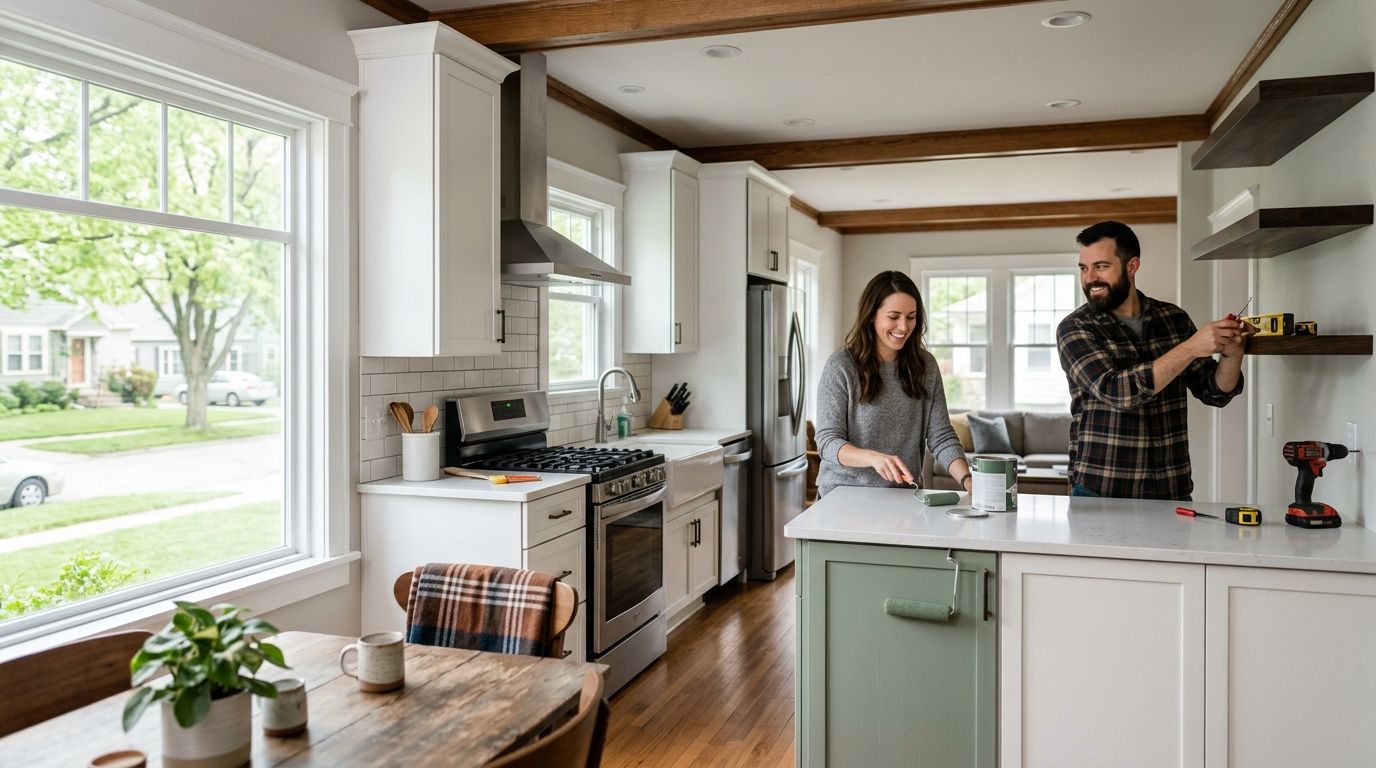
Fixer-upper renovation in Central Iowa means turning a distressed or dated house into a livable, code-compliant home, and buyers in this market face a narrower set of problems than a typical remodel client: inspection surprises, financing tied to the purchase, and a compressed timeline before move-in. A fixer-upper buyer's first renovation dollar should go to structural and mechanical systems, not paint and countertops.
- Fixer upper renovation in Central Iowa succeeds when structural, electrical, and roofing issues get fixed before cosmetic work starts.
- Phoenix Construction Solutions handles rebuilds, additions, and full renovations for Des Moines-area fixer-upper buyers.
- Permits and contractor verification are non-negotiable steps for older Iowa housing stock built before 1980.
- A written contingency of 15-20% above the renovation budget covers the surprises inspectors miss.
Why this matters for fixer-upper buyers
A fixer-upper buyer isn't renovating a house they've lived in for a decade. They're renovating a house they may have owned for 30 days, with an inspection report that flagged problems but couldn't see behind every wall. That changes the order of operations: a family remodeling their kitchen can wait a year for the bathroom. A fixer-upper buyer often can't wait, because financing, insurance, or occupancy permits are tied to getting the house livable.
Central Iowa's older neighborhoods in Des Moines, Carlisle, Norwalk, and Pleasant Hill carry housing stock with knob-and-tube wiring, undersized electrical panels, and foundations that have shifted over 60-80 years of freeze-thaw cycles. None of that shows up on a listing photo. It shows up during demo, which is why the sequencing below starts underground and works outward, not room by room.
Order a full inspection before you commit a renovation dollar
A standard home inspection catches visible defects. It does not always catch what's behind drywall, under slab, or above the ceiling joists.
- Get a separate structural engineer review if the house is pre-1960 or shows visible foundation cracking
- Have the electrical panel inspected by a licensed electrician, not just the general inspector
- Test for radon, since Iowa has some of the highest average radon levels in the country
- Check the sewer line with a camera scope before you plan any bathroom or kitchen relocation
- Flag asbestos and lead paint risk on any home built before 1978
Budget for the renovation before the surprises show up
Fixer-upper budgets fail when they're built around the visible scope and skip the hidden one. Set the number before demo starts, not after.
- Separate the budget into structural, mechanical, and cosmetic tiers so you know what's flexible
- Build in a 15-20% contingency line for what the inspection couldn't see
- Price out financing options tied to renovation costs, since a 203(k) loan or home equity line changes what you can do in year one
- Sequence spending so structural and mechanical work is fully funded before cosmetic budget gets touched
A detailed renovation budget built room-by-room, with contingency separated out, prevents the mid-project stop that kills more fixer-upper projects than any single defect.
Confirm permits and code requirements before demo starts
Older Central Iowa homes were often built or last permitted under a different code cycle. Bringing electrical, plumbing, or structural work up to current code isn't optional if you're pulling permits.
- Check whether the city or county requires permits for the specific scope (structural, electrical, plumbing almost always do)
- Confirm egress requirements if you're converting a basement or attic to livable square footage
- Ask about setback and zoning rules before planning any addition or bump-out
- Budget time for inspection scheduling, which adds days to weeks depending on the municipality
Getting building permits for a home renovation in Iowa sorted before demo avoids the stop-work order that turns a 6-week project into a 12-week one.
Vet the contractor's license and insurance before signing anything
Fixer-upper buyers are more likely to get pitched by unlicensed crews chasing distressed-property work. Skipping this step is the single most expensive mistake on this list.
- Confirm the contractor carries current liability insurance and workers' comp
- Ask for references from renovation projects of similar scope, not just new-construction work
- Check for open complaints with the Iowa Attorney General's consumer protection division
- Get the license and insurance certificate in writing before signing a contract
How to verify a contractor's license and insurance in Iowa covers the exact documents to request and what red flags to walk away from.
Sequence the work: structural and systems first, cosmetic last
The renovation order matters as much as the renovation quality. Cosmetic work done before structural and mechanical fixes gets torn out and redone, which doubles labor cost on that portion of the job.
- Foundation and structural repair first, always
- Electrical panel and wiring upgrades before drywall goes back up
- Plumbing rough-in and any relocation before flooring is finalized
- Roofing and exterior envelope repairs before interior finish work, so water intrusion doesn't ruin new drywall or flooring
- Cosmetic finishes (paint, flooring, fixtures, cabinets) last
The same vetting rigor applies to specialty trades outside general remodeling. If the roof needs full replacement rather than a patch, hiring a trusted roofing contractor before interior finish work starts protects everything you've already paid for underneath it.
Compare bids apples-to-apples before you sign
Three bids for the same fixer-upper renovation can differ by tens of thousands of dollars because they're scoped differently, not because one contractor is simply cheaper.
- Request itemized scope of work for each bid, not just a lump sum
- Confirm each bid includes the same permit and inspection responsibilities
- Ask what allowance is built in for hidden conditions found during demo
- Check payment schedule structure against project milestones, not calendar dates
Comparing bids from Central Iowa remodeling contractors line by line is the fastest way to catch a lowball bid that's missing scope, not saving money.
Get your fixer-upper walked and scoped
Structural, electrical, and roofing review before you commit a renovation budget.
Renovation approaches compared for fixer-upper buyers
| Approach | Best for | Key limitation |
|---|---|---|
| DIY renovation | Buyers with construction experience and flexible timelines | No licensed inspection sign-off on structural or electrical work |
| General contractor (full renovation) | Buyers who need permits, sequencing, and warranty coverage handled | Requires vetting and a written contract with clear scope |
| Design-build firm | Buyers changing layout, adding square footage, or converting a basement | Longer timeline for design phase before construction starts |
| Flip-crew subcontractor model | Investors moving fast on cosmetic-only projects | Weak on structural, electrical, and code compliance depth |
Phoenix Construction Solutions works fixer-upper renovation as a single-contractor scope, covering structural repair, additions, and full remodels for buyers across Des Moines, Ankeny, Waukee, West Des Moines, Urbandale, Norwalk, and Pleasant Hill. Buy: for buyers who want one licensed, insured contractor accountable for the whole sequence instead of managing four subcontractors themselves.
Common mistakes fixer-upper buyers make
- Starting with cosmetic work. New flooring and paint before the roof or foundation is addressed means redoing finish work when water or structural issues surface.
- Skipping the contingency line. Buyers who budget only for the visible scope run out of money mid-project when demo reveals rot, old wiring, or foundation movement.
- Hiring based on price alone. The lowest bid on a fixer-upper renovation is almost always missing scope, not offering a discount.
- Ignoring permit requirements on older homes. Skipping permits on structural or electrical work in a pre-1960 house risks a stop-work order and resale complications later.
- Underestimating timeline. Fixer-upper projects run longer than standard remodels because permitting, inspection, and hidden-condition repairs stack on top of the original scope.
FAQ
What's the best first step in a fixer upper renovation?
A structural and electrical inspection before any cosmetic work starts is the best first step in 2026. It identifies the load-bearing and code issues that determine the rest of the renovation sequence.
How much contingency should I budget for a fixer-upper renovation?
Set aside 15-20% above the planned renovation budget for a fixer-upper. Older Central Iowa homes commonly reveal wiring, plumbing, or foundation issues once walls come down.
Do I need permits to renovate a fixer-upper in Iowa?
Yes, structural, electrical, and plumbing work almost always requires permits in Central Iowa municipalities. Skipping permits on an older home risks a stop-work order and complications at resale.
Is a general contractor better than managing subcontractors myself on a fixer-upper?
A licensed general contractor is better for most fixer-upper buyers because one party is accountable for sequencing, permits, and warranty. Self-managed subcontractors work for buyers with construction experience and flexible timelines only.
How long does a fixer-upper renovation take in Central Iowa?
A whole-home fixer-upper renovation typically runs longer than a standard remodel because hidden-condition repairs and permitting add time on top of the original scope. Timeline depends heavily on how much structural and mechanical work the inspection uncovers.
Should I fix the roof before interior renovation work?
Yes, roofing and exterior envelope repairs should happen before interior finish work in every case. Water intrusion during a later stage can ruin new drywall, flooring, and cabinetry.
What's the difference between a fixer-upper renovation and a standard remodel?
A fixer-upper renovation usually starts with an unknown set of structural, electrical, and mechanical conditions discovered after purchase, while a standard remodel is planned around a house the owner already knows well. Fixer-upper projects need a larger contingency budget and a stricter first-inspection step.
One last thing
The renovation that fails isn't the one with the biggest structural problem, it's the one where cosmetic work got finished before the structural problem was found. Sequencing beats budget size on a fixer-upper: a smaller budget spent structural-first outperforms a larger budget spent cosmetic-first, every time demo reveals something the inspection missed.